All Articles
Guides, prompts, and resources for writers. 895 articles and counting.
Page 27

100+ Historical Fiction Writing Prompts
Historical fiction writing prompts organized by sub-genre. 100+ specific, creative ideas to spark your next historical fiction story.

How to Write Historical Romance
Write historical romance that balances period accuracy with modern readers. Covers era selection, research, language, social conventions, and bestselling examples.
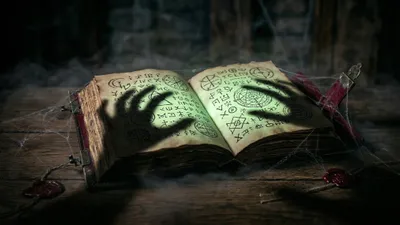
100+ Horror Writing Prompts
Horror writing prompts organized by sub-genre. 100+ specific, creative ideas to spark your next horror story.

How Much Do Authors Make in 2026?
The median full-time author earns $12,000-$15,000 per year from writing. See real income data by publishing path, genre, and experience level.
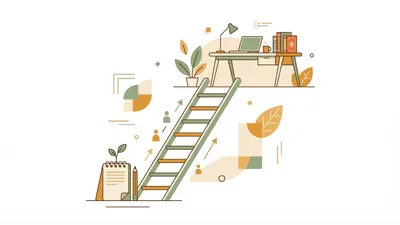
How to Build a Writing Career From Scratch
Build a writing career step by step: from hobbyist to full-time author. The career ladder, income strategies, and persistence data most guides skip.
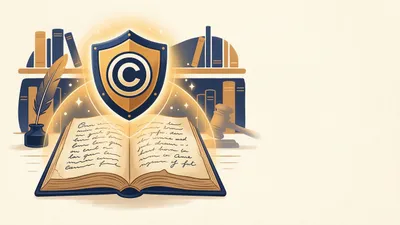
How to Copyright a Book
Your book is copyrighted the moment you write it. But registering gives you legal protection. Here is exactly how copyright works for authors.
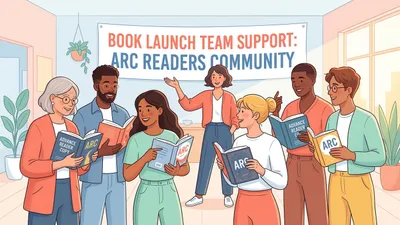
How to Create a Book Launch Team
Build a book launch team that delivers day-one reviews and social buzz. Covers recruiting, managing ARCs, and getting honest Amazon reviews fast.
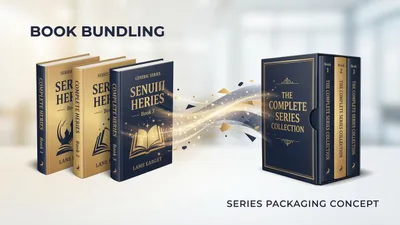
How to Create a Box Set That Sells
Learn how to bundle your books into a box set. Covers pricing, formatting, timing, and marketing strategies for Amazon and wide distribution.

How to Create a Reader Magnet
Learn how to create a reader magnet that grows your email list. Covers types, delivery platforms, and promotion strategies for fiction and nonfiction authors.

How to Create an Audiobook
Learn how to create an audiobook from your book. Covers ACX, Findaway Voices, narrators, AI narration, costs, royalties, and marketing strategies.

How to Handle Negative Book Reviews
Negative reviews hurt. But they are inevitable and some are even useful. Learn how to handle criticism without spiraling — and when to ignore it entirely.
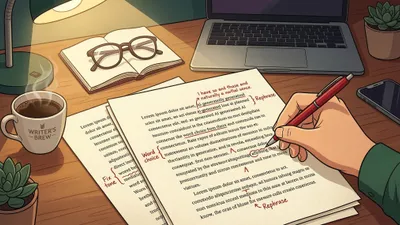
How to Edit AI-Generated Text (5-Pass Method)
The 5-pass editing process for AI-generated text: structure, voice, fact-checking, cutting AI-isms, and adding your stories. Before and after examples included.

How to Find a Writing Group That Works
A writing group gives you feedback, accountability, and support. Learn how to find one — online or in person — and what makes a group actually work.

How to Get a BookBub Featured Deal
Learn how to get accepted for a BookBub Featured Deal. Covers the application process, acceptance tips, and alternatives for book promotion.
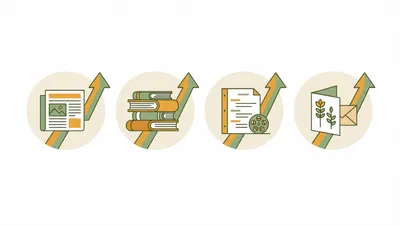
How to Get Paid to Write: 12 Real Options
Twelve legitimate ways to earn money writing: self-publishing, freelancing, copywriting, ghostwriting, technical writing, and more. Income ranges for each.

How to Monetize Your Writing (7 Revenue Streams)
Seven proven revenue streams for writers: book royalties, freelancing, copywriting, courses, speaking, consulting, and licensing. Build them strategically.
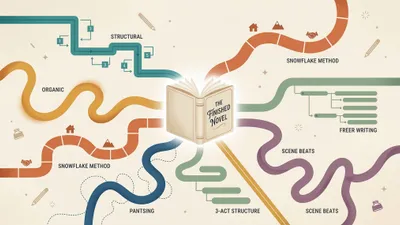
How to Outline a Novel: 7 Methods
Seven novel outlining methods compared: Three Act, Save the Cat, Snowflake, scene cards, mind maps, synopsis, and tentpole. Find the one that fits your writing style.

How to Quit Your Job and Write Full Time
The checklist before you quit your day job to write: savings, income proof, insurance, runway. Plus what most people get wrong about the transition.
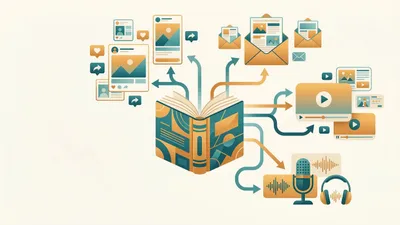
How to Repurpose Book Content Into 100+ Pieces
One book equals 100+ pieces of content. Learn how to turn your book into blog posts, social media, emails, courses, and speaking material.
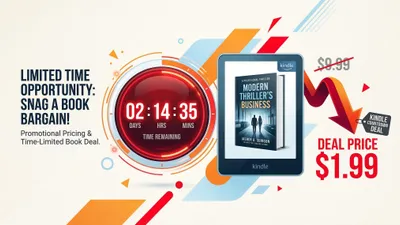
How to Run a Kindle Countdown Deal
Learn how to run a Kindle Countdown Deal on KDP Select. Covers setup, pricing strategy, timing, promotion stacking, and tracking results.
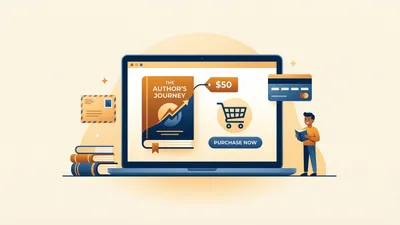
How to Sell Books on Your Website
Selling books on your own website means higher margins and owning the customer relationship. Learn how to set it up — even without technical skills.

How to Use AI for Book Research
Use AI for book research: summarize sources, find statistics, explore counterarguments, and fact-check claims. What AI does well and where it fails.

How to Write a Book After Retirement
Retirement is the perfect time to write your book. You have the time, the experience, and the stories. Here is how to start — even if you have never written before.

How to Write a Book for Your Church
A church book extends your ministry beyond Sunday. Small groups, devotionals, and leadership guides — learn how to write a book for your congregation.